Best be Respectful
Haints play an interesting role in my forthcoming novel, The Blue Bottle Tree. The story takes place in the 1970s but years prior, housemaid Letta Davis had started a bottle tree, a reflection of her African heritage, at the Butler mansion where she worked. She gleaned knowledge of haints from the griot storytellers and the Old Ones, interlacing her people’s oral traditions into the White world.
In the novel, Letta and Janie Butler, the blind stepdaughter of patriarch Major Butler, sit on the back porch one afternoon shelling black-eyed peas, jawing (That’s southern for chatting). Letta expounds, on the powers and foibles of haints.
With a soft swish-thump, swish-thump, thump Letta rocked back and forth … “Cause haints is afraid of water, you gotta paint porches blue, else them spirits dart inside. They cause mischief to happen. Blue porch catches haints. Keeps flies away from door, too.”
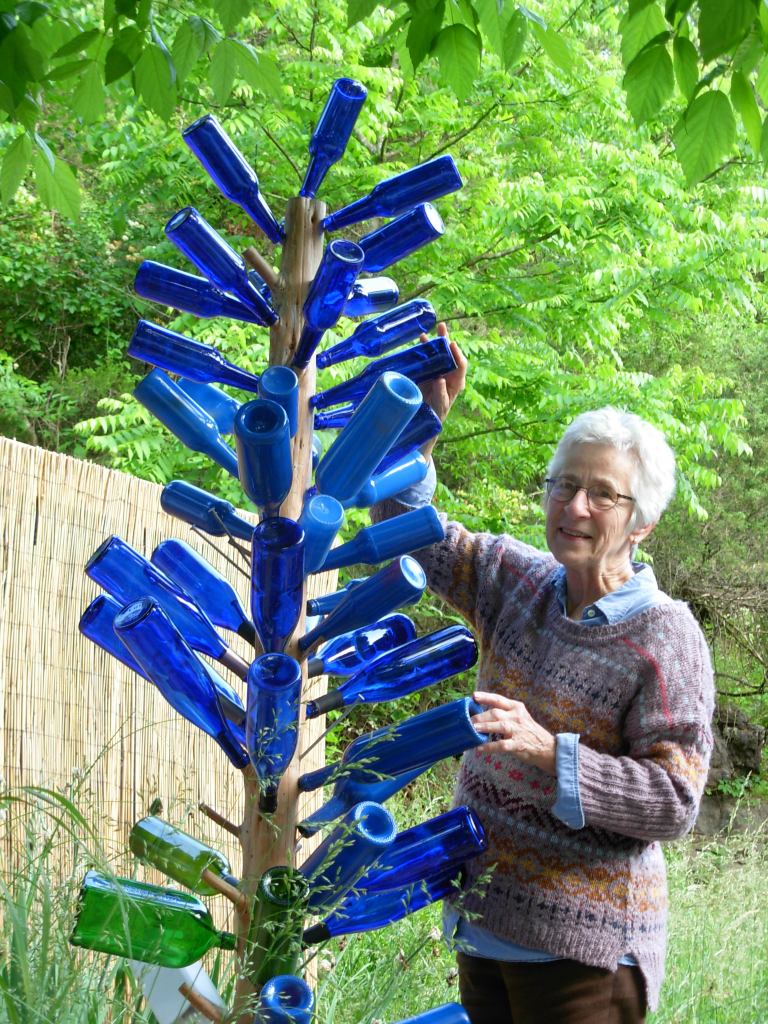
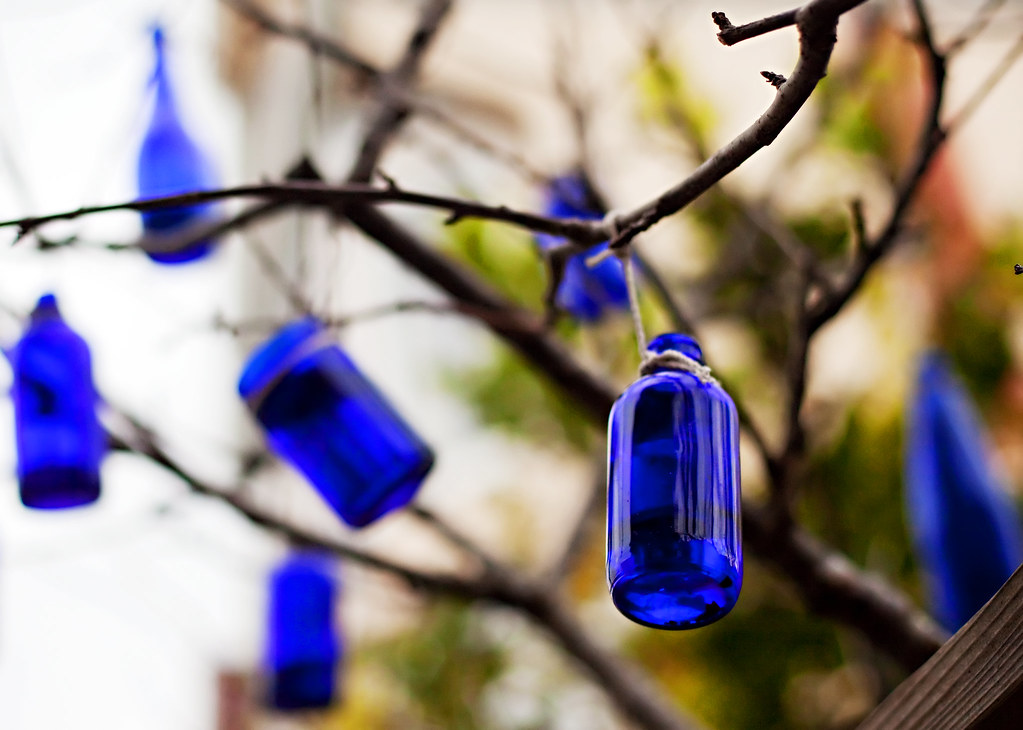
Glass containers—usually blue—placed on the dead branches of a tree or shrub are intended to catch malicious spirits. Haints are irresistibly drawn to the blue glass sparkling in the morning light. They slip into the bottles and cannot find a way out. The midday sun destroys them, burns them into nought.
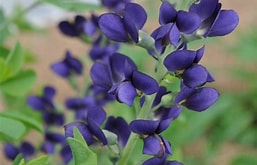
The color blue is deeply entwined with indigo, a rather leggy plant that grows in bushy, tangled clumps. Indigo production required a large labor force generally supplied by slaves in the deep South. It was the source of unmatched misery for workers. Indigo production along the coastal south ceased around 1776 and slave descendants were shifted to other crops such as rice, sugarcane, cotton and agricultural areas deeper into the South. The suffering, however, continued. Letta’s ancestors were part of this history.
While haints are drawn to blue it also confuses them. For example, haints can’t cross water. Therefore, when porches and ceilings are painted blue, the haints won’t enter that dwelling thinking it is water. Additionally, blue painted window shutters serve to ward off haints flying in through the windows.
When not connected with blue, haints can be distracted from mischief through other tricks. For example, they cannot resist repetitive tasks such as reading newspapers frequently tacked onto inside house walls as insulation. They can also be misdirected by counting the straws in a broom or rice grains in a sack. If a haint could be distracted with one of these repetitive tasks, they had to start the task over, thus never finding the end. This delayed or prevented them from getting into mischief.
Letta continues to talk with Janie about haints, saying they can call a person toward eternity. She explains that haints live between earth and sky, are invisible, and can be malicious or benign. Weighing nothing, they are unseen forces in peoples’ lives. Letta states that haints, conjured up by the thoughts of individuals, often moan inside the bottles.
Janie rebuts Letta and insists that it is the wind singing across the bottles that create the moaning sounds. Letta dismisses Janie’s comments, clinging to her ancient oral beliefs while pleased she has found a practical use for the empty bottles and dead trees. But stepdaughter Janie challenges Letta’s comments with a heartfelt question:
… balanced against the porch railing, she pivoted toward Letta’s rocking. “If the bottle tree captures bad spirits, why is Mother dying? Why didn’t the bottles catch her cancer? If the haints fear blue, why did they come into our house?” Her voice quivered. Outside in a faint breeze, bottles jingled, gleamed in the sunlight.
Bottle Trees Still Dot the South
Today, remnants of bottle trees can be found scattered across the landscape. Traditions behind the trees have mostly been lost in time. Historically, the trees were the purview of Blacks, but today, the economic and racial status of the owners varies. Trees with green, blue, red, and amber bottles can still be found in the deep South and Appalachia.
There are several in my home county. I was surprised to see them in predominately White neighborhoods as well as rural settings. I always pause and look, wonder about the people that live in the house, and why they choose the ubiquitous blue only trees or use multicolored bottles. The custom holds a certain attraction and mystery for me.
Recently this area was hit by a tornado resulting in downed trees, homes torn asunder, and loss of electrical power to great swaths of the community. But haints protect us, a bottle tree at the intersection of two roads was left intact despite destruction on other parts of the property. I was amazed. I cannot help but attribute this to benign haints and the Old Ones.
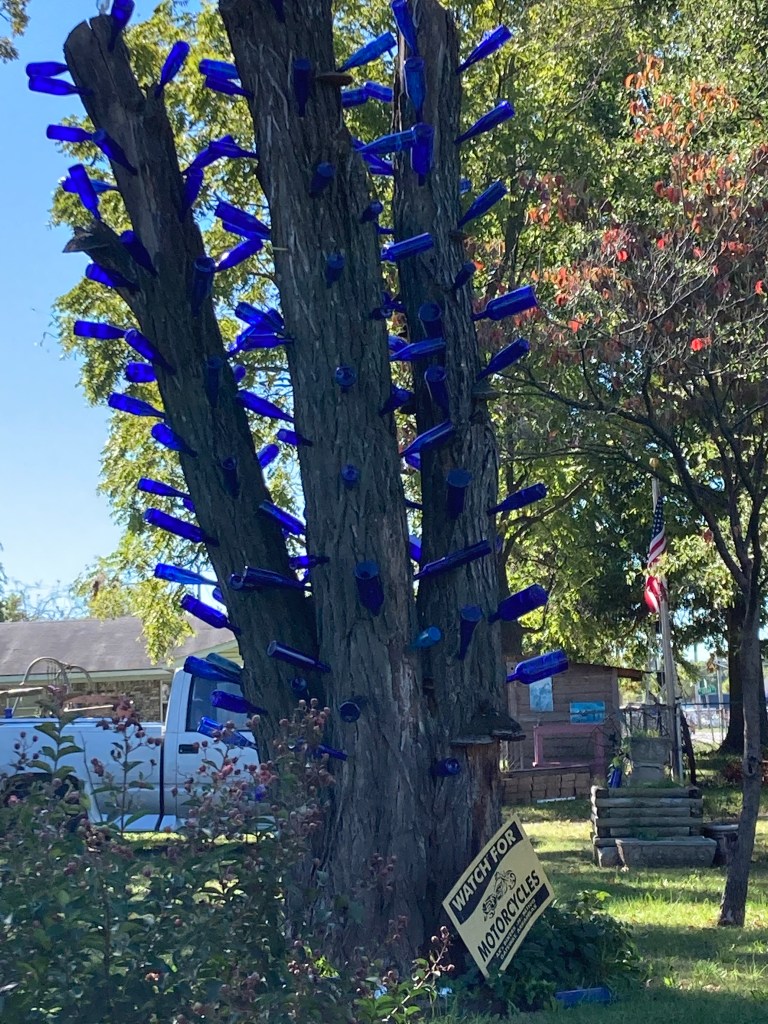
Have you seen bottle trees near you? What do you know about them?
 Nancy Hartney
[…] Blue Bottles and Haints […]